
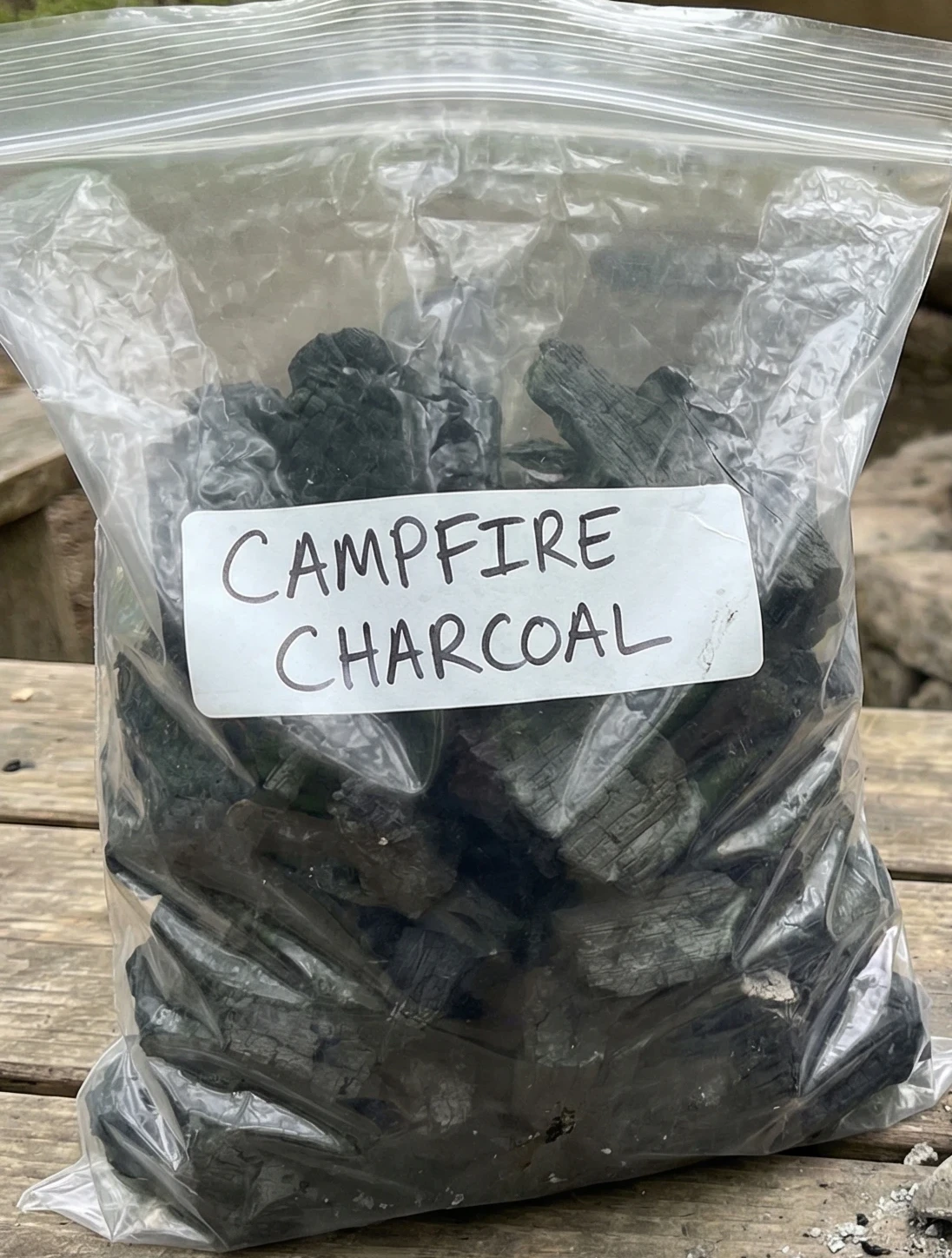
 Activated charcoal is like a superhero in the battle against mold. This stuff is super porous, which means it can soak up any amount of moisture. Moisture is mold’s best friend, so by keeping the air nice and dry, charcoal bags prevent mold from crashing the cabinet party.
Many people wonder if charcoal bags really prevent mold. The answer: Yes, but it depends. If you’ve got a constant moisture problem, like a leak, charcoal might not cut it alone. Think of it as part of your mold-prevention team. It’s perfect for keeping things dry in less humid spaces, but not a replacement for fixing bigger issues.
Now, let’s compare to the old-school methods. While dehumidifiers and silica gel can do the job, they often need power or frequent replacements. Charcoal bags win on convenience and eco-friendliness. Toss a few in the right spots, and you’re good to go for months! Plus, when they do need replacing, they’re biodegradable, so you’re not adding to the landfill.
The best part? They’re safe for any space. You can chuck them in a cabinet with your spices or even put them in your kid’s wardrobe without worrying. But like any great thing, they work best when used right, which we’ll get into more in the next section.
Best Practices for Using Charcoal Bags
Placing activated charcoal bags strategically to get the most out of them. For instance, in cabinets, tucking them towards the back or the most humid spots. Humidity tends to lurk in corners, so placing your charcoal bags there helps soak it up efficiently.
You might wonder when activated charcoal isn’t the best choice. Well, if you’re dealing with a persistent moisture issue, like a leak, fix the leak. Then add charcoal bags later. Charcoal bags are great for maintenance and prevention but won’t stop flowing water problems.
Wondering if the bags are doing their job? Check for subtle signs like less musty smells and drier air. Some folks even report clearer, mold-free surfaces. If you’re not noticing these improvements, consider adding more bags or addressing underlying moisture sources.  DampRid is a good example, and super simple, to use. Every now and then, let it breathe by placing them in sunlight. Doing so recharges its moisture-absorbing power, keeping it at peak performance. Keep in mind not to overstuff a small space; it reduces the effectiveness and can complicate airflow. Leave us a comment on your experience with moisture and mold and charcoal!