
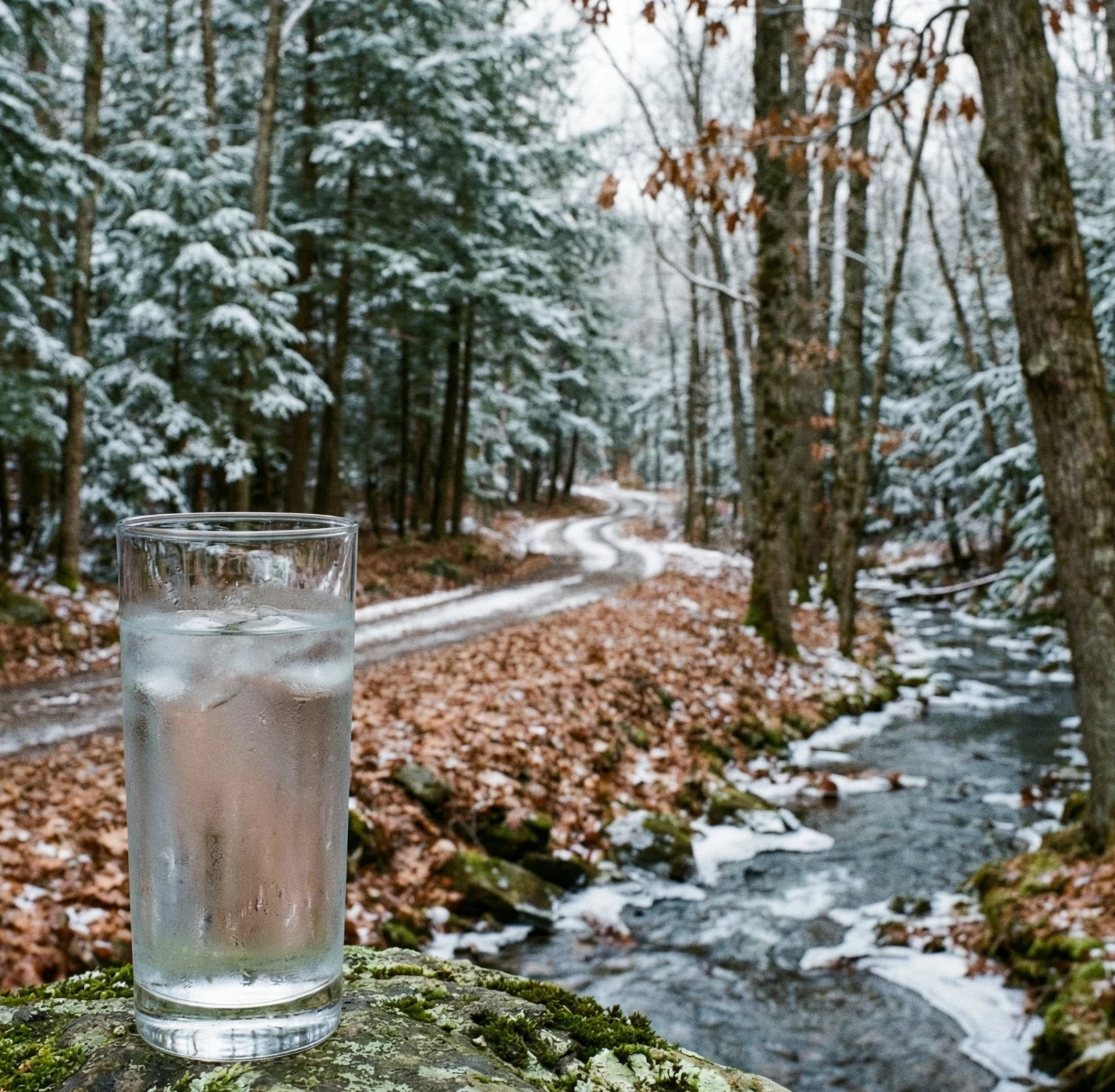
 Boondocking is gaining a lot of fans among RVers who crave freedom and adventure without the need for hookups—basically, camping off-grid. It’s a way to escape the busy RV parks and enjoy the peace of nature. But there’s one thing that can turn this awesome experience into a nightmare—water management. Clean water isn’t a luxury when you’re far from the amenities; it’s essential.
When you’re living off the grid, good water filtration becomes a non-negotiable aspect of your adventure. Bruh, you don’t want to mess with sketchy water—it might ruin your trip. That’s why nailing your water game is vital. Sediment and UV filters are like your trusty sidekicks in this situation, working together in powerhouse tandem to keep your water not just safe but also refreshing and tasty.
Inline sediment filters are like the initial bouncers in this party. They handle the dirt, rust, and grit that sneak into water lines. By dealing with these larger particles first, these filters ensure that your other systems, like UV filters, can do what they do best without any obstructions.
Meanwhile, ultraviolet (UV) filters do something incredibly cool—they zap away the microscopic bugs that aren’t scared of chlorinated pools, making sure there’s no threat from viruses or bacteria. The UV filtration step comes after the sediment filter and is crucial for ensuring the water you use for cooking, drinking, and bathing stays clean and safe. So you’re not just avoiding a nasty taste in your drink; you’re warding off potential health risks too.
With the right filtration setup, you can wander wherever your heart desires without worrying about where or how you’ll find good water. It’s a peace of mind that lets you truly immerse yourself in the freedom of boondocking. Knowing your water is protected from contaminants allows you to focus more on the trails, starry nights, and those epic spots you wanted to visit.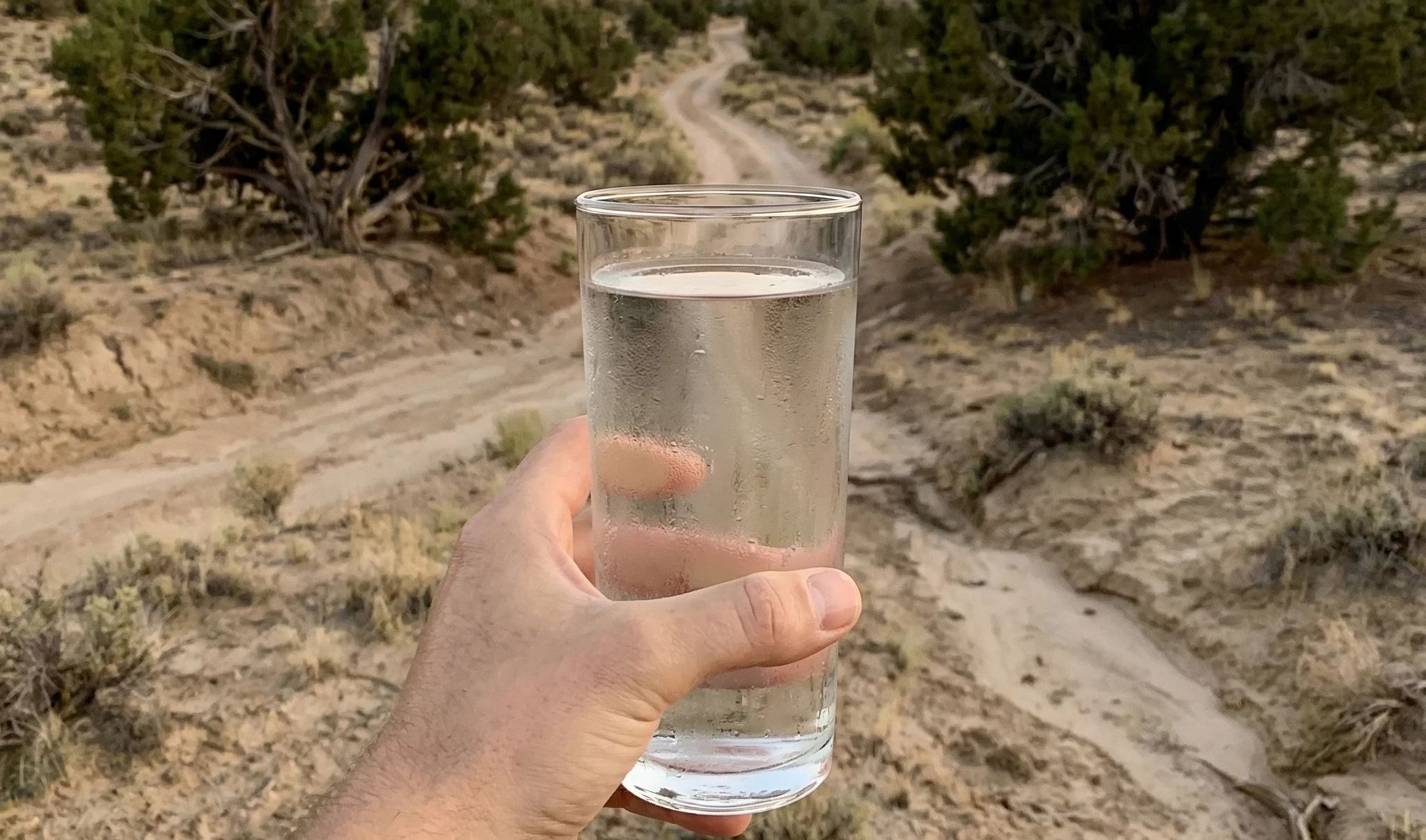
Installing and Maintaining an Inline Sediment and UV Filter System
Getting an inline sediment and UV filter system up and running in your RV might seem a bit daunting, but actually, you got this! Start by picking the right spot to install your system—somewhere convenient but out of the way. Thoughtful placement ensures you’re always ready to access it for any checkups or changes.
Attach the sediment filter first. This stage is super important as it catches large debris and prevents it from going through your system. Remember, clean connections count; ensure everything’s tight! Moving on, hook up the UV filter unit right after the sediment filter. The UV filter needs power, so be prepared to connect it to a reliable source. Its gotta be 12v if you’re off-grid.
Regular maintenance is key to ensuring your filters last. Sediment filters usually need a change every 3 to 6 months, but that can vary based on how heavily they’re used or the quality of water you’re filtering. Keep an eye on flow changes or visible build-up. UV filters require minimal upkeep—just swap out the bulb annually to keep them effective.
What about the lifespan of these RV inline filters? Again, it hinges largely on usage. A more active lifestyle may mean frequent replacements before that 6-month marker hits. It’s the price of staying adventurous!
Potential issues do pop up—common complaints involve reduced water flow or funny taste. Typically, reduced flow means your sediment filter’s full. You don’t want to push it until it clogs completely. Always travel with a spare filter in your kit to avoid such unpleasant surprises.
Proper maintenance isn’t just about avoiding disasters; it’s about pulling every ounce of performance out of your system. Just like your RV needs its check-ups, your filter system needs a little TLC, turning potential hassles into smooth, clean-water bliss.
Efficiency and Challenges of Using Advanced Filtration Systems
Combining a sediment filter with a UV filter offers top-tier water purification—perfect partners in crime. Sediment filters are great for sieving out larger particles, while UV filters step in to finish the job on a microscopic level. This dynamic duo means clear, safe water flows without a hitch, no matter where your wheels take you.