
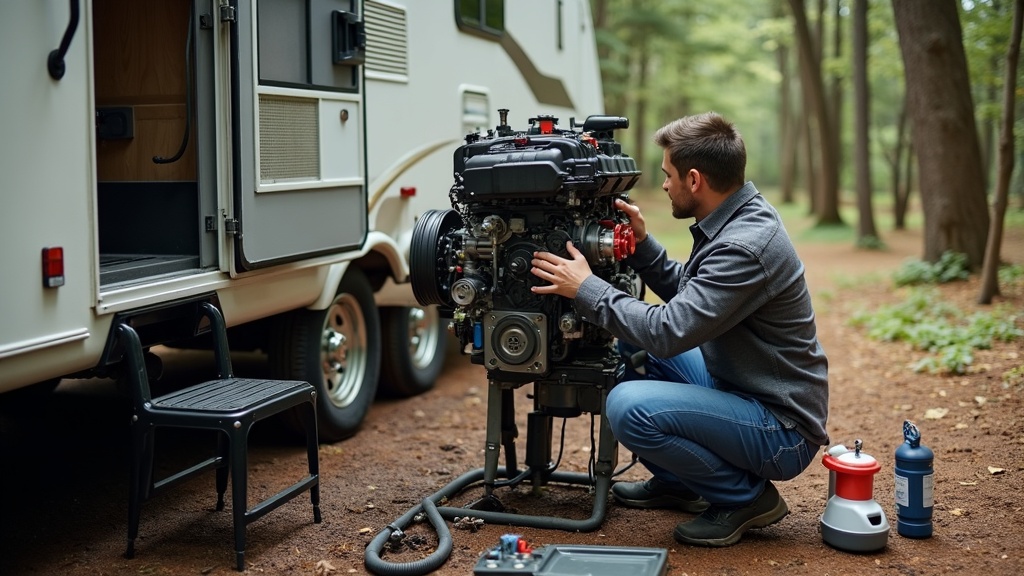
Sometimes, your RV engine tries to tell you that something’s not right. Knowing the warning signs early can save you from bigger headaches down the road and help keep your adventures on track. I’ve spent years driving, troubleshooting, and keeping my RV ready for any trip, so let me share some signals that mean your power plant needs a professional checkup. After all, staying sharp and catching these signs can be the difference between a smooth ride and an unexpected stop.
Strange Noises You Can’t Ignore
Engines make plenty of noise, but there are certain sounds that you absolutely should not hear. If you pick up on knocking, pinging, or grinding, it’s a sign something’s not right inside. These sounds may be your first clue to worn bearings, loose parts, or engine detonation—all things that need a mechanic’s expertise. A squealing or screeching sound also hints at problems with belts or pulleys. Letting these noises go can take a minor issue and turn it into a big, expensive repair.
- Knocking or tapping: Usually an early sign of bearing problems or trouble with lubrication.
- Squealing belts: Often comes from wornout serpentine or Vbelts.
- Grinding: May mean internal engine or accessory trouble.
In my own experience, odd engine noises have usually given me enough warning to catch the problem early. The key is to stay alert and pay attention to anything that sounds out of the ordinary.
Unusual Smells Under the Hood
Strange odors can point to hidden engine issues that might be brewing. If you pick up on burning oil, coolant, or raw fuel smells, it’s time to check things out. Burnt oil points to leaks or an overworked engine, while a sweet, syrupy aroma signals a coolant issue. If you sense the scent of gasoline, that could mean a risky fuel leak or a failed injector—both call for fast attention.
- Burning oil: Usually oil leaking onto hot engine parts or the engine working overtime.
- Sweet smell: Coolant leaking from the radiator, hoses, or gaskets.
- Gasoline: Gas leaks can become dangerous quickly; get professional help now.
Dashboard Warning Lights That Stay On
Your dashboard is there to help you out. If the Check Engine light, oil pressure, or battery warning stays lit, don’t just ignore them. While a sensor could trigger a light, they mostly point to real problems that need looking at. Mechanics have the right tools to figure out the cause quickly. Ignoring these dashboard warnings can put your engine at real risk and leave you stranded.
While it can be tempting to shrug them off, those warning lights are there for a reason, and I always recommend getting them checked as soon as you can.
Loss of Power or Poor Performance
If your rig struggles climbing hills, hesitates during acceleration, or stalls at idle, it’s a sure sign you need a professional look. Sluggishness might be from clogged fuel filters, spark plug problems, or even transmission issues. A consistent loss of power could also signal deeper troubles like compression loss or a failing fuel pump. Mechanics can test compression and check for electronic issues that go beyond a typical DIY fix.
Having dealt with performance drops myself, I found that being proactive and booking a service kept my RV running smoother and avoided much costlier repairs down the line.
Smoke Coming From the Exhaust
The color of smoke from your exhaust says a lot about your engine’s health. Blue smoke usually means burning oil (often worn piston rings or valve seals). White smoke may point toward coolant leaking into the cylinders, often a head gasket issue. Black smoke is a sign that extra fuel is burning, which can mean your fuel system is out of balance. Each type of smoke is a call to action for your mechanic, and driving too long with any of these issues only makes things worse.
- Blue: Burning oil, potential engine wear.
- White: Coolant leaks, possibly a bad head gasket.
- Black: Fuel system running much too rich.
Fluid Leaks and Overheating Episodes
Seeing puddles under your RV or facing overheating? Don’t ignore these! Leaking oil, coolant, or transmission fluid can quickly spiral into a major breakdown. Overheating usually points to radiator, thermostat, or head gasket problems, and these troubles tend to escalate fast. By catching leaks and hot spells early, you’ll keep your engine alive much longer and steer clear of huge repair bills and ruined trips.
Taking a moment to look underneath before and after long drives goes a long way in preventing things from snowballing.
Next Steps: Keeping Your RV Ready
Just like any other truck engine, if you spot any of these warning signs, it’s time to book a visit with a professional mechanic. They have the right tools and knowhow to track down and fix trouble before it snowballs. Staying on top of maintenance helps a ton, but trusting your senses when something seems off makes all the difference. Your travels (and your wallet) will thank you for acting sooner rather than later.
Share Your Experience
Have you noticed something odd with your RV motor? Drop your question or share your stories in the comments section. I always like hearing how others keep their rigs rolling problem free or learning about the sorts of surprises you’ve faced while on the road.